
Last updated: 2 November 2026 · every coverage figure, certification and price below rechecked on the vendor’s own page on 2 November 2026
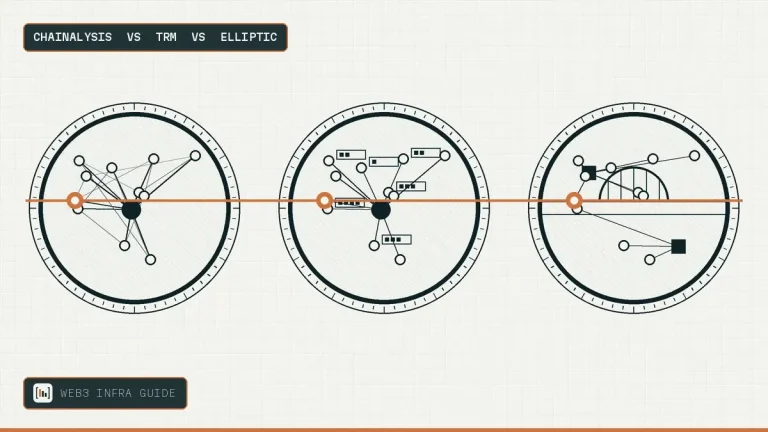
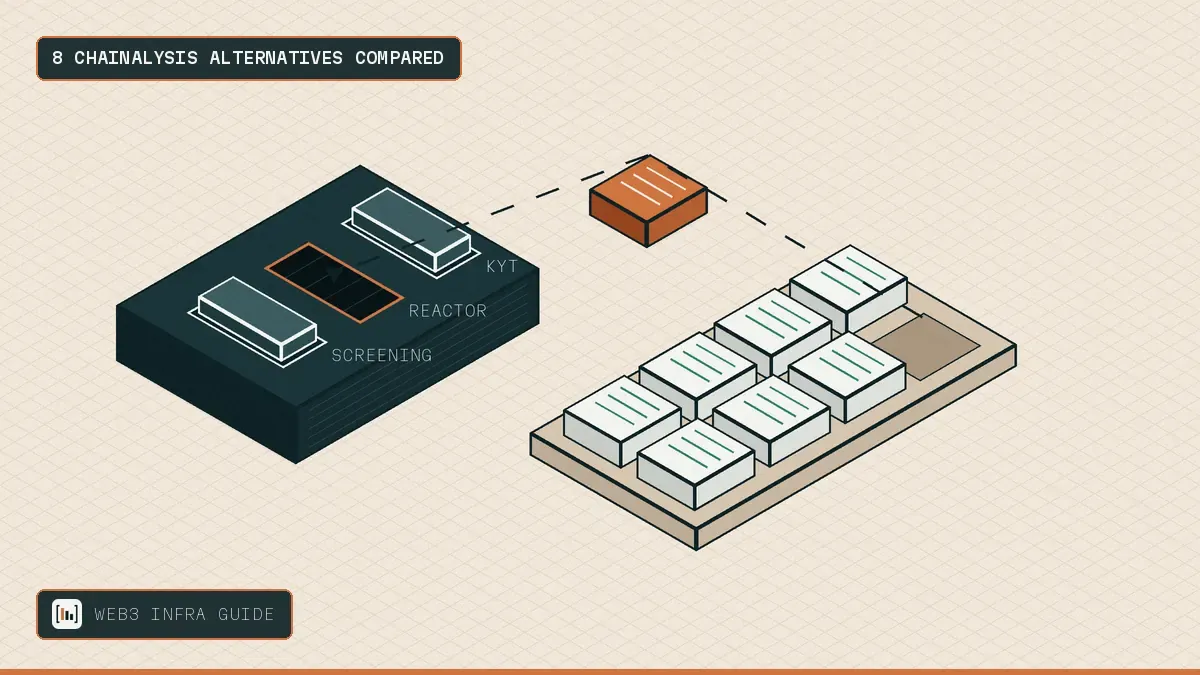
The best Chainalysis alternatives in 2026 are TRM Labs (8.9/10), Elliptic (8.7) and Crystal Intelligence (8.4) if you need a full replacement for KYT and Reactor. BlockSec Phalcon Compliance, Global Ledger and AMLBot are the cheaper picks, because they publish prices that Chainalysis does not. Scorechain suits EU firms that want EU hosting.
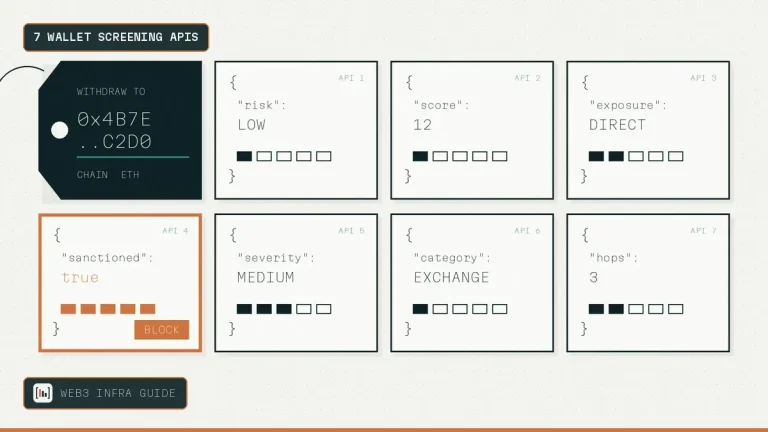
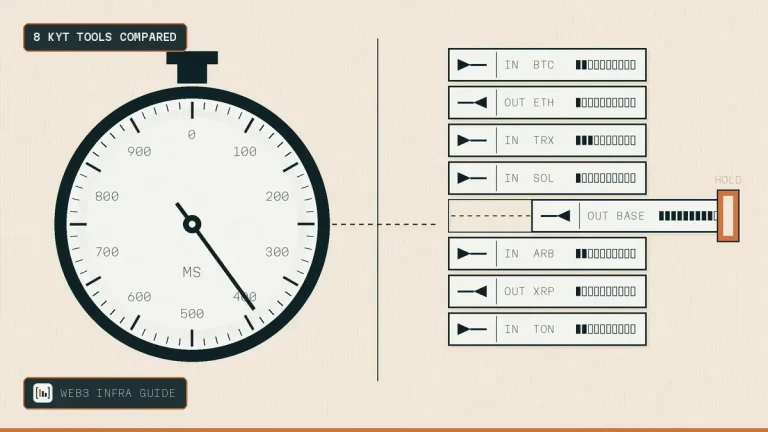
Most teams do not replace all of Chainalysis at once. They replace one job: live transaction monitoring (KYT), investigations (Reactor), address screening, or the free sanctions oracle that Chainalysis has now deprecated. If live monitoring is the job you are replacing, our KYT tools ranking compares eight options.
This guide maps each alternative to those jobs, scores all eight on the same rubric as our blockchain analytics tools ranking, and takes every number from the vendor’s own pages. The scoring rules are on our methodology page. Nothing here is legal advice.
TL;DR
- TRM Labs (8.9) is the closest like-for-like swap: wallet screening on 184+ blockchains, Forensics on 65+, 155+ risk configurations and an annual SOC 2 audit.
- Elliptic (8.7) is the only top-tier vendor with a public list price: $50,000 per unit a year (Tier 1) or $100,000 (Tier 2) on AWS Marketplace.
- Crystal Intelligence (8.4) states the widest coverage, 330+ blockchains, with SOC 2 Type II and EU data residency.
- Global Ledger now sells KYT online: $400 a month for 10,000 requests (Starter) or $900 (Essentials). That beats $0.10 a check above 4,000 checks a month.
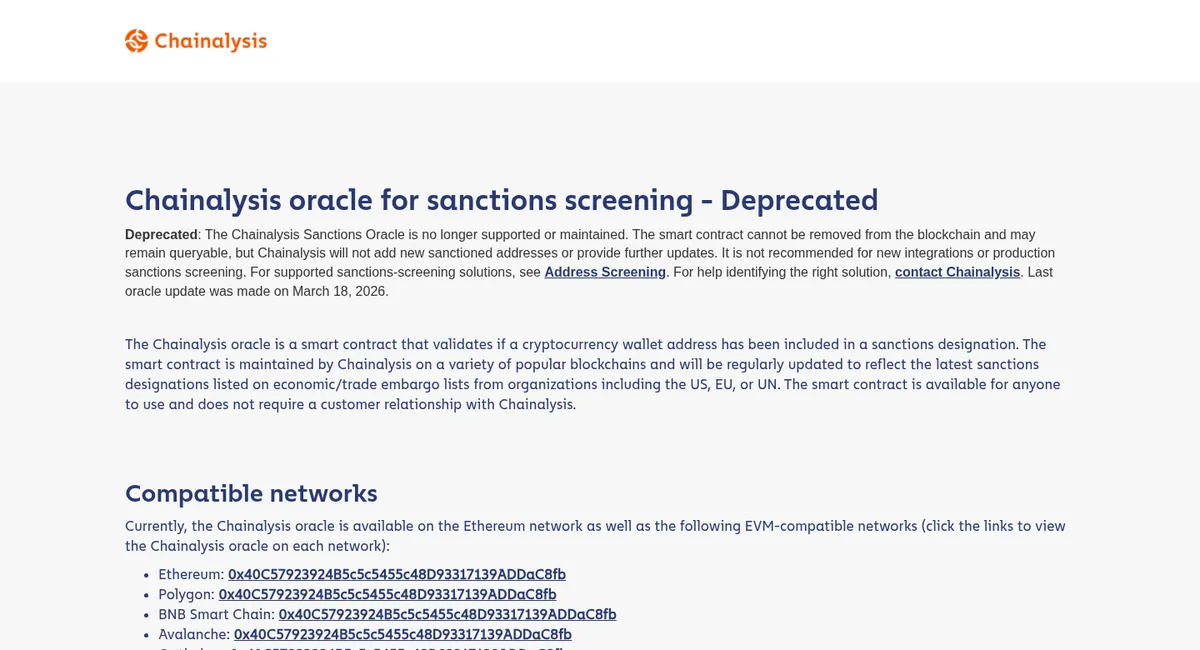
- The free Chainalysis sanctions oracle is deprecated. Chainalysis says its last update was on 18 March 2026, so anyone still calling it needs a replacement now.
- Run any alternative in parallel with Chainalysis on the same traffic for at least one full alert cycle before you cut over.
The Decision Kernel
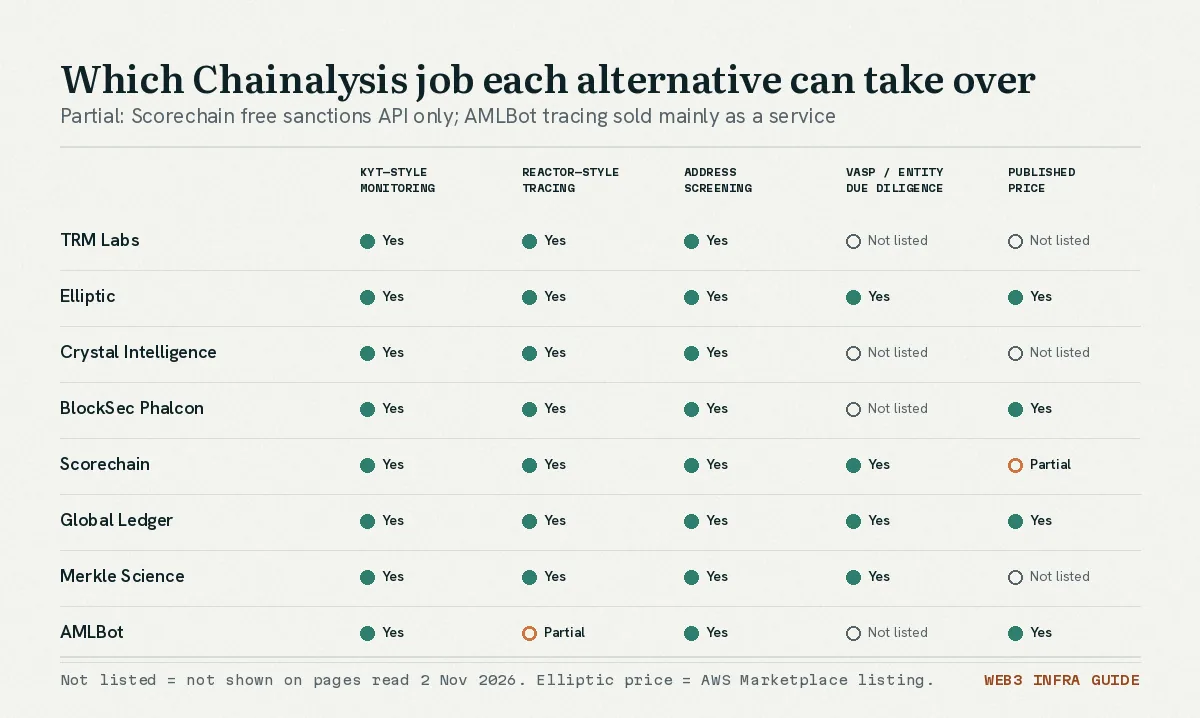
Start from the Chainalysis product you want to drop, not from a vendor list. Pick TRM Labs or Elliptic if you hold a licence and are replacing KYT and Reactor together; pick a published-price tool if you are replacing screening only. The table after this shows which alternative covers which job.
- Replacing KYT and Reactor at a licensed exchange or bank: TRM Labs or Elliptic, with Crystal if your chain list is long.
- Replacing Address Screening in a payment flow: Global Ledger KYT Starter, BlockSec Phalcon or AMLBot, all with published prices.
- Replacing the deprecated sanctions oracle: Scorechain’s free sanctions API for testing, then a paid screening API for production.
- EU CASP that wants EU hosting: Scorechain or Crystal, both of which state EU hosting or residency.
Verdict: Name the Chainalysis job you are replacing first. A full KYT and Reactor swap points to TRM Labs or Elliptic; a screening-only swap opens up the cheaper tools.
What You Are Replacing in Chainalysis
Each Chainalysis product has its own coverage figure. Its KYT FAQ lists 400+ networks and 50M+ tokens, while Reactor traces across 27+ blockchains, 40M+ assets, 325M+ swaps and 300+ bridges and DEXs. Chainalysis says Address Screening exposure is network agnostic, while Reactor exposure is network and asset specific, so a screening replacement and an investigations replacement are tested differently.
| Chainalysis product | What it does | Stated coverage | Closest alternatives |
|---|---|---|---|
| KYT | Live monitoring of deposits and withdrawals | 400+ networks, 50M+ tokens | TRM Transaction Monitoring, Elliptic Lens, Crystal, Global Ledger KYT |
| Reactor | Cross-chain investigations and tracing | 27+ blockchains, 300+ bridges and DEXs | TRM Forensics, Elliptic Investigator, Crystal, Merkle Science Tracker |
| Address Screening | Wallet risk before you send or accept | Network agnostic exposure | TRM Wallet Screening, Elliptic Lens, BlockSec Phalcon, AMLBot |
| Sanctions oracle (free) | On-chain sanctions lookup | Deprecated, last update 18 March 2026 | Scorechain free sanctions API, then a paid screening API |
The oracle matters most for developers. Its documentation says the contract may stay queryable on-chain, but Chainalysis will not add new sanctioned addresses, and it points users to Address Screening instead. Anyone who wired the oracle into a smart contract or withdrawal check needs a new source. Chainalysis itself cites SOC 2 Type 2 and FedRAMP on its platform page, which is the bar a replacement has to meet for many bank and government buyers.
Verdict: Map every Chainalysis product you pay for to one replacement before you talk to vendors. Most buyers find they need two tools, not one.
Chainalysis Alternatives at a Glance
| Alternative | Replaces best | Coverage (vendor stated) | Security (vendor stated) | Published price | Score |
|---|---|---|---|---|---|
| TRM Labs | KYT, Reactor and screening together | 184+ blockchains (screening), 65+ (Forensics) | Annual SOC 2 audit, 99.95% uptime SLA | Quote only | 8.9 |
| Elliptic | KYT and Reactor, plus VASP due diligence | 60+ blockchains, 250+ bridges (Lens) | SOC 2 Type 2, ISO 27001, ISO 22301 | $50,000 or $100,000 per unit a year (AWS) | 8.7 |
| Crystal Intelligence | KYT and Reactor on long chain lists | 330+ blockchains | SOC 2 Type II, EU data residency | Quote only | 8.4 |
| BlockSec Phalcon Compliance | Address Screening, self-serve | 600M+ address labels | Not stated on pages read | From $0.10 a check | 7.2 |
| Scorechain | KYT for EU firms, free sanctions checks | 21+ blockchains | EU-hosted private cloud | Free sanctions API; platform quote | 6.7 |
| Global Ledger | KYT and screening on a monthly plan | Bitcoin, Ethereum, Tron, Solana, XRP, TON and more | Private server option (Enterprise) | $400 or $900 a month for 10,000 requests | 6.6 |
| Merkle Science | Behaviour-based monitoring and forensics | 10,000+ assets, 200 bridges | Not stated on pages read | Quote only | 6.0 |
| AMLBot | Pay-per-check screening, KYC add-on | 10 chains on Personal plan | ISO 27001 | $1 down to $0.10 a check (Personal) | 5.9 |
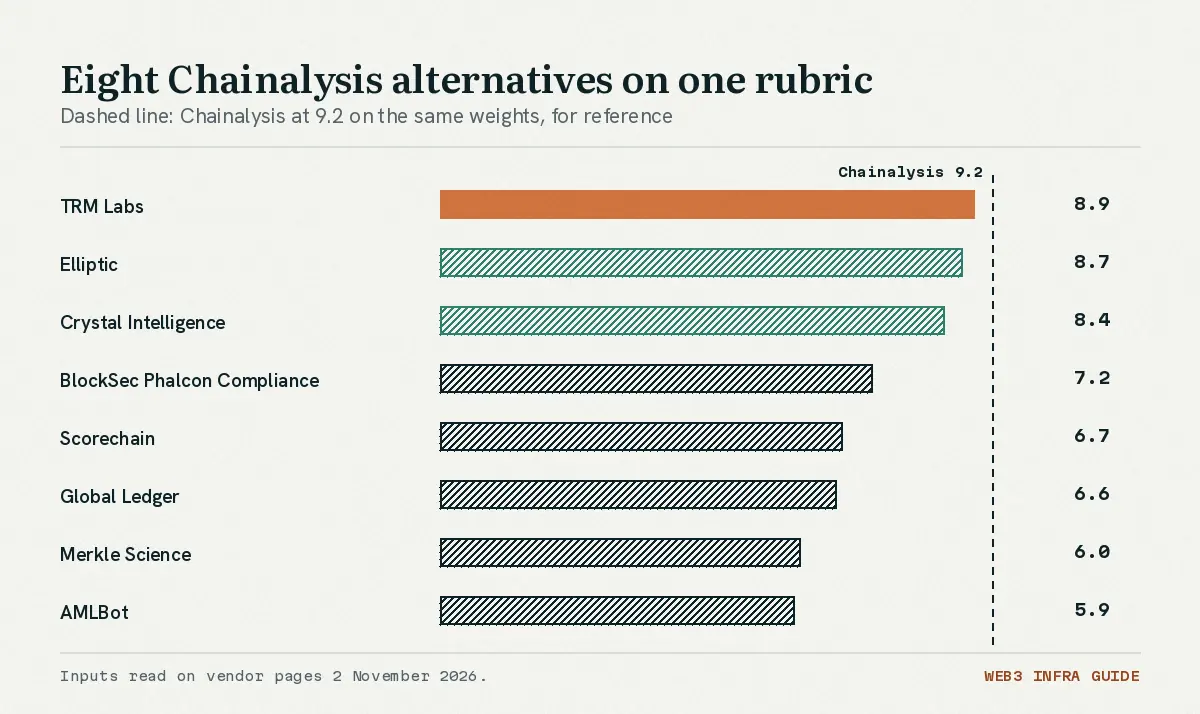
Each tool gets 0 to 5 on six criteria: chain coverage (20%), attribution data (20%), compliance workflow (20%), investigations (15%), security attestations and deployment (15%) and price transparency (10%). No alternative beats Chainalysis on this rubric, but TRM Labs and Elliptic sit within half a point, so price and chain fit can decide. Two scores moved since our ranking of nine tools: Global Ledger now publishes plan prices and Elliptic’s AWS list price counts as published, so both gained on price transparency.
1. TRM Labs: 8.9/10
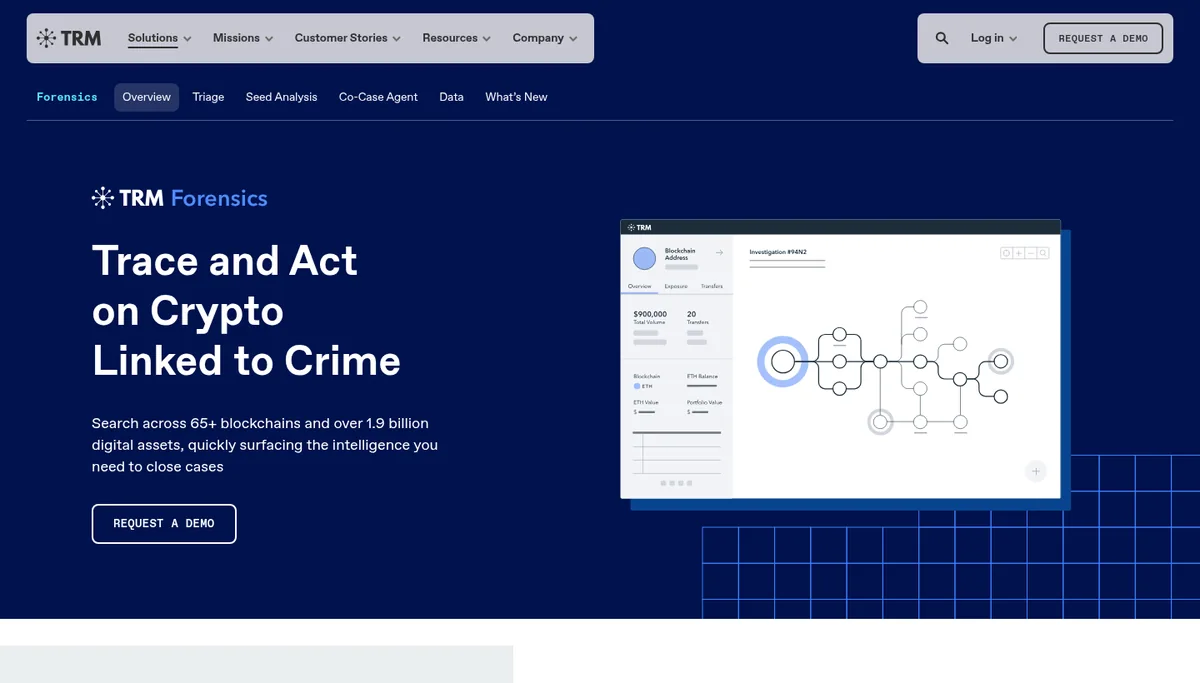
TRM Labs is the alternative most buyers test first, because it covers screening, monitoring and investigations on one attribution graph. Its Wallet Screening page covers 1.9B+ digital assets across 184+ blockchains. TRM Forensics, its Reactor counterpart, searches across 65+ blockchains, so check investigation coverage separately from screening coverage.
- Against Chainalysis: wider stated screening coverage (184+ blockchains) than Reactor’s 27+, but fewer than the 400+ networks Chainalysis lists for KYT.
- Risk rules: over 155 configurations covering ownership, counterparty and indirect exposure.
- Reliability: a stated 99.95% uptime SLA and an annual SOC 2 audit.
- AI help: the Forensics page adds a Co-Case Agent to speed up investigations.
Verdict: The closest full swap for KYT, Reactor and screening. Ask TRM to run Forensics on your last ten Reactor cases before you sign.
2. Elliptic: 8.7/10
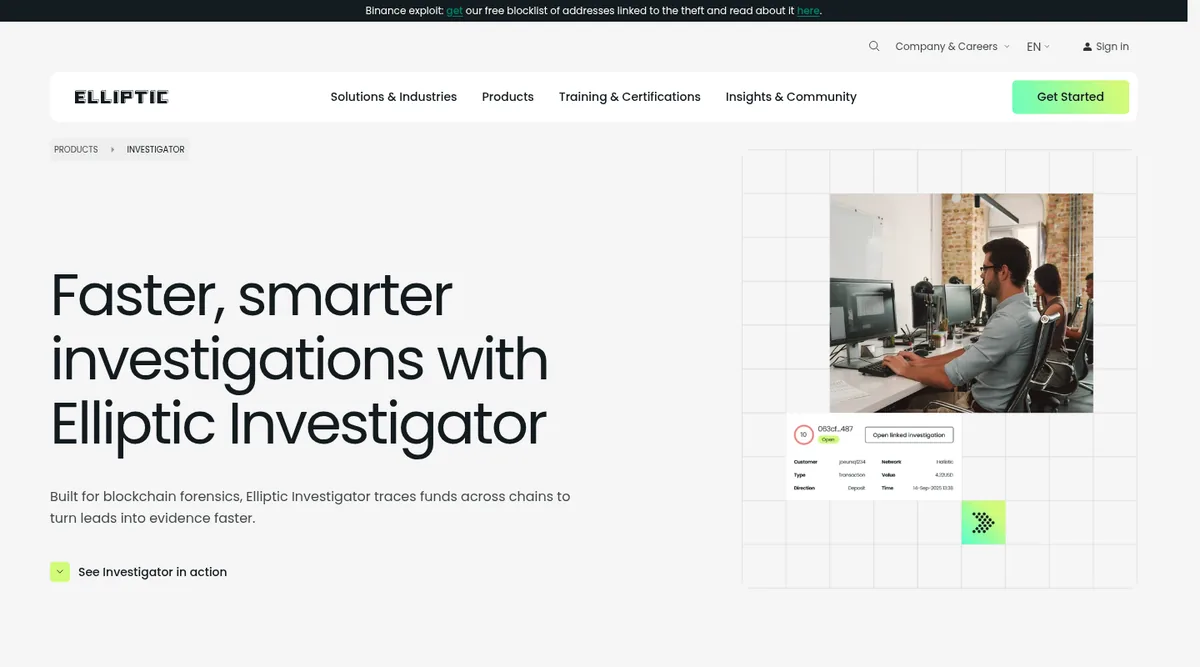
Elliptic splits its suite into Lens for screening and monitoring, Discovery for VASP due diligence and Investigator for cross-chain tracing. Lens covers 60+ blockchains and 250+ bridges. Elliptic is the only top-tier vendor here with a public list price: its AWS Marketplace listing charges $50,000 per unit a year on Tier 1 and $100,000 on Tier 2.
- What a unit is: the AWS listing says a unit reflects your expected volume of wallet and transaction screening, so ask Elliptic how many units your volume needs.
- Security: the trust page lists SOC 2 Type 2, ISO 27001 and ISO 22301.
- Investigations: Investigator claims automatic graph generation cuts graph-building time by up to 60%, with exportable evidence.
- Coverage figures differ: the home page says 65+ blockchains while Lens says 60+.
Verdict: The best alternative if you want a known budget line and VASP due diligence. Confirm the unit count in writing before you buy through AWS.
3. Crystal Intelligence: 8.4/10
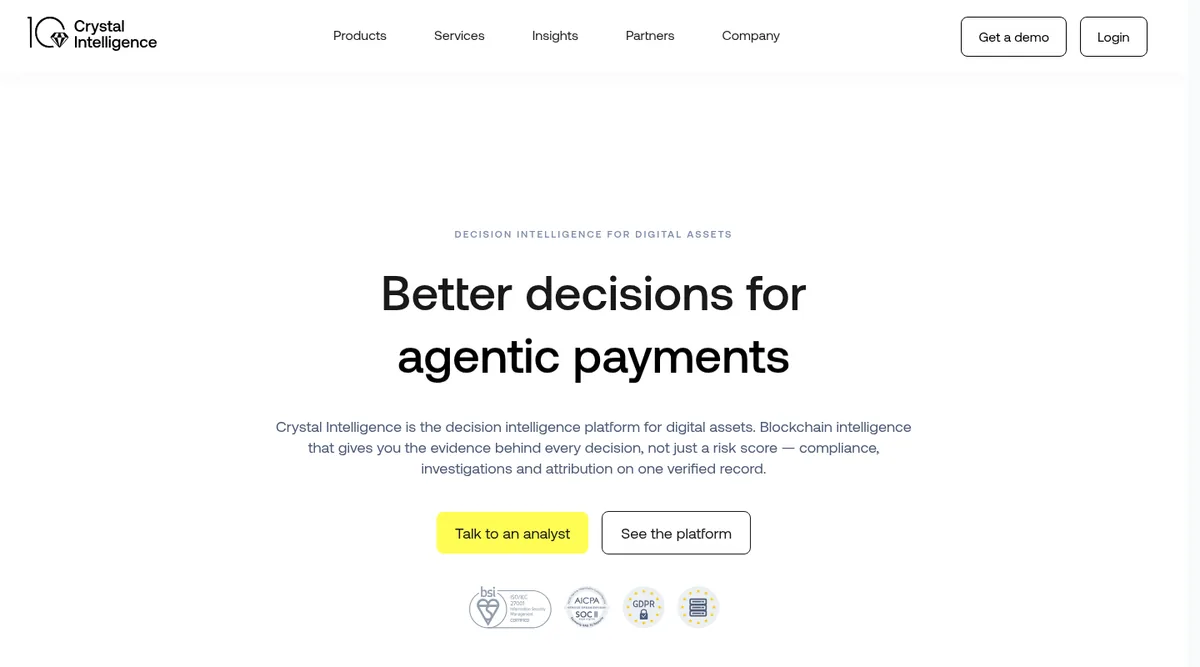
Crystal runs KYT, investigations and attribution on one record. Its home page claims 330+ blockchains, 210M+ verified transfers and 118,000+ entities attributed and verified off-chain. Crystal states more chains than any Chainalysis product page, which makes it the alternative to test when your long-tail assets are the problem.
- Security: SOC 2 Type II, GDPR compliance, EU data residency and SSO and SAML.
- Evidence: Crystal markets court-level evidence and audit-ready case records.
- Check depth: on 330+ chains, ask which get full attribution and risk scoring, not just address lookup.
- Price: quote only.
Verdict: The pick when Chainalysis does not cover enough of your chains. Test attribution on the exact long-tail assets you list.
4. BlockSec Phalcon Compliance: 7.2/10
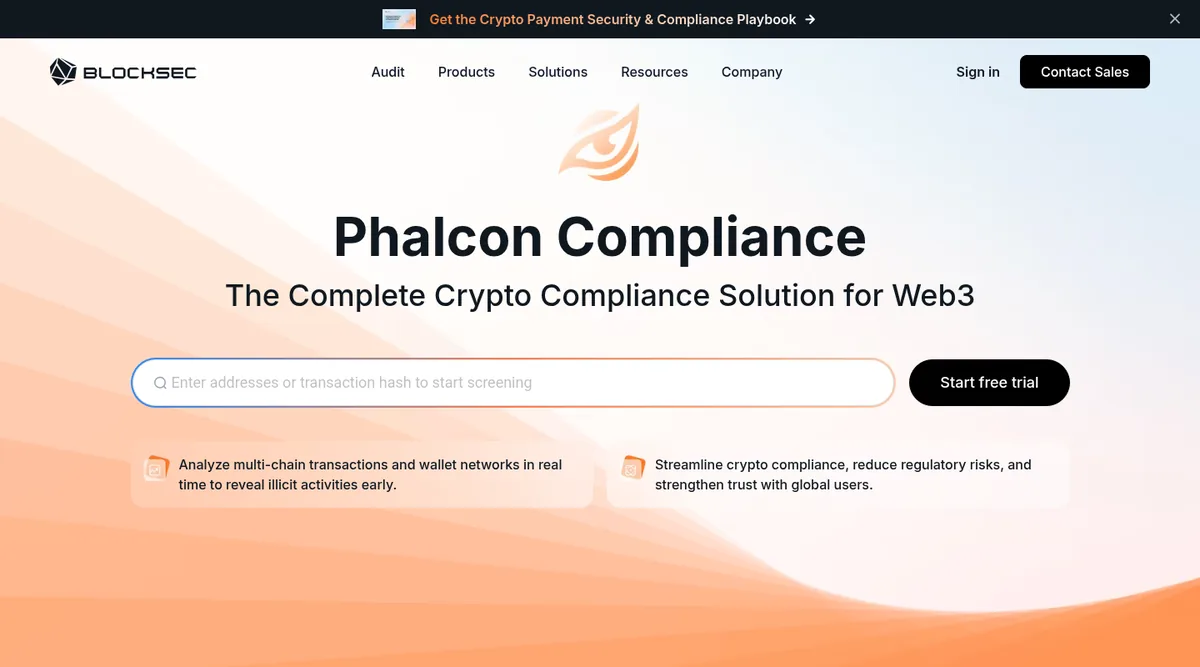
BlockSec’s Phalcon Compliance covers screening, monitoring, investigation and reporting in one workflow, with its MetaSleuth tracer for investigations. It cites 600M+ address labels and 200+ risk signals. Phalcon lists a price from $0.10 a check with a free trial, so you can replace Address Screening without a sales call.
- Against Chainalysis: self-serve and priced in public, but with no chain count or security attestation on the pages we read.
- Reach: BlockSec says the platform aligns with FATF guidance across 27+ jurisdictions.
- Tracing: MetaSleuth lists 13 chains on its home page, from Bitcoin and Ethereum to Linea, Mantle and XLayer.
- Ask for: the full chain list and a SOC report before production.
Verdict: The fastest way to replace Chainalysis screening in a payment or wallet flow. Licensed firms replacing Reactor will still need a deeper investigations tool.
5. Scorechain: 6.7/10
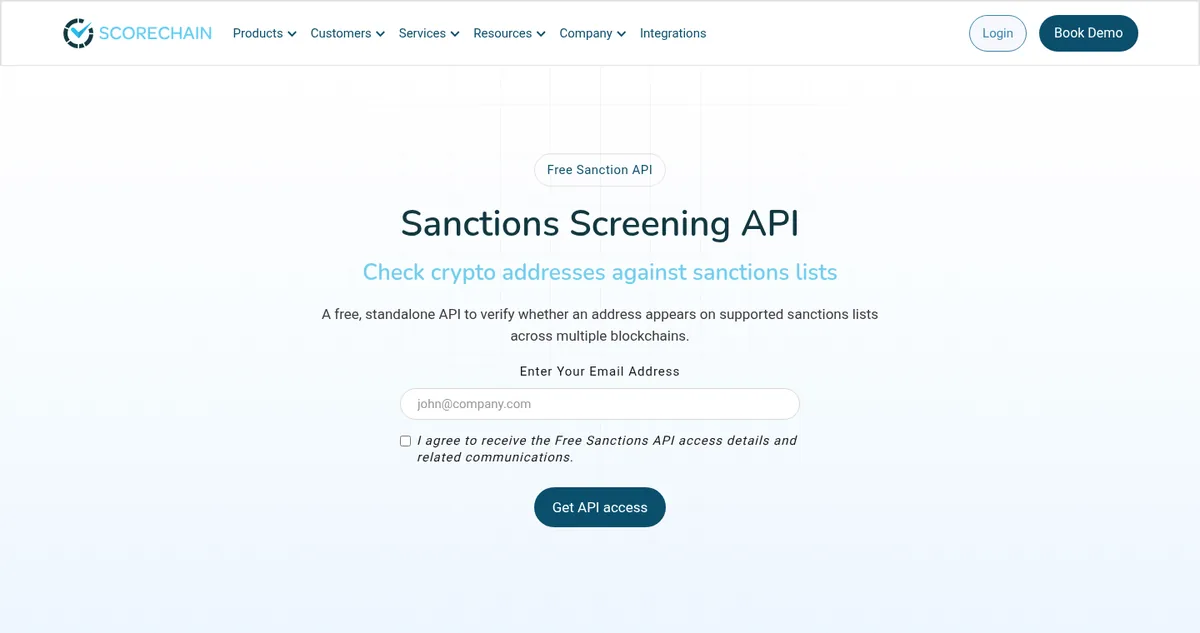
Scorechain is a blockchain analytics and AML platform with 10+ years in the market. Its home page cites 21+ blockchains, 350+ compliance and digital asset teams and an EU-hosted private cloud. Scorechain runs the closest free replacement for the deprecated Chainalysis oracle: a sanctions API capped at 100 requests an hour for non-commercial use.
- Free API terms: the free sanctions API page says it is free and standalone, rate-limited and not for commercial use.
- Production use: the paid platform adds monitoring, alerts and investigations, priced on request.
- MiCA: Scorechain says it is built for MiCA requirements and hosts data in the EU.
- Coverage: 21+ blockchains is narrow next to TRM Labs or Crystal.
Verdict: A sensible KYT replacement for an EU CASP on major chains. Use the free API to replace oracle calls in testing, then move to a paid plan.
6. Global Ledger: 6.6/10
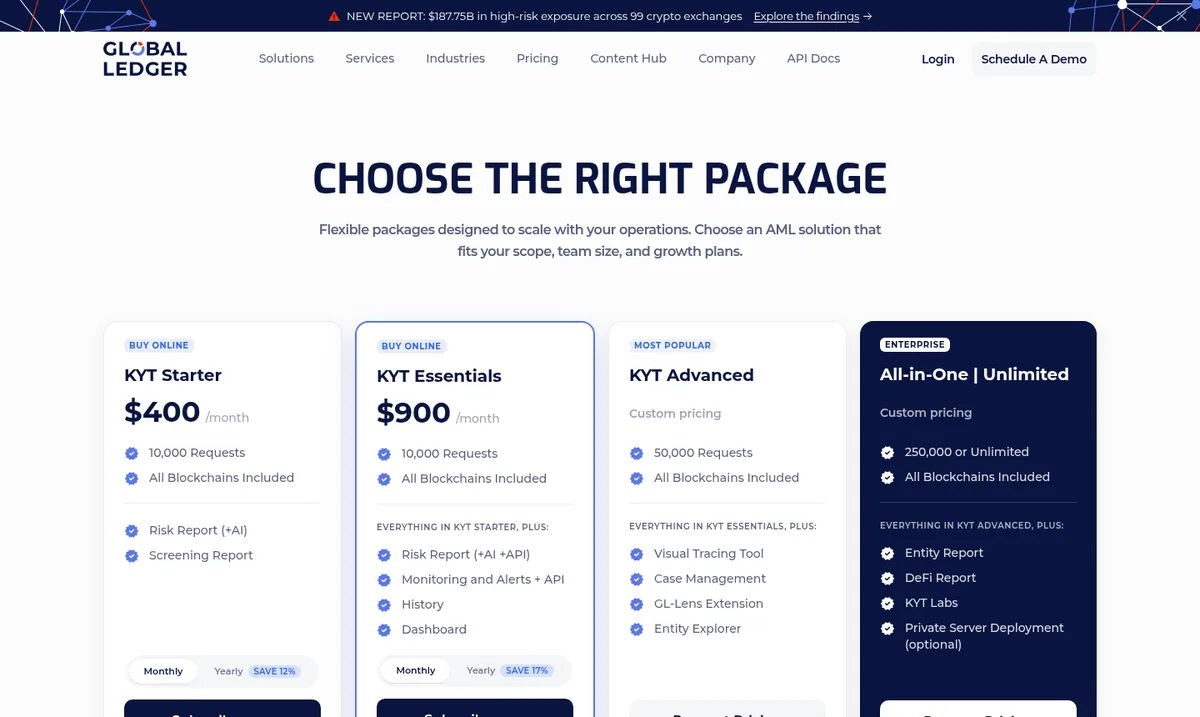
Global Ledger sells KYT and KYB tools with a 0 to 100 risk score. Its pricing page lists KYT Starter at $400 a month and KYT Essentials at $900 a month, each with 10,000 requests, plus custom KYT Advanced (50,000 requests) and Enterprise plans. Global Ledger is the only analytics vendor in this list that sells a monthly KYT plan online, and yearly billing saves 12% on Starter and 17% on Essentials.
- What the plans add: Essentials adds monitoring and alerts with API access; Advanced adds a visual tracing tool and case management.
- Scale: the home page cites 700 million+ attributed addresses updated daily, 40K+ AML checks a day and a 500 ms average response.
- Chains: the pricing page names Bitcoin, Ethereum, Tron, BNB, Solana, XRP, Stellar and TON, with more on request.
- Deployment: private server deployment is an option on the Enterprise plan.
Verdict: The cheapest predictable replacement for KYT at a few thousand checks a month. Check that every chain you support is on its list.
7. Merkle Science: 6.0/10
Merkle Science sells Compass for predictive risk monitoring, Tracker for forensics and KYBB for business due diligence. Its home page cites cross-chain coverage for 10,000+ assets and 200 bridges. Merkle Science leads with behaviour-based rules that flag patterns, which is a different approach from list-based exposure scoring.
- Against Chainalysis: Compass maps to KYT and Tracker to Reactor, but the home page gives assets and bridges, not a blockchain count.
- Sanctions claim: Merkle says it has the best sanctions attribution for Russian and Iranian exchanges, a vendor claim worth testing.
- Training: its Institute offers training and certification for compliance and investigation teams.
- Price and security: quote only, with no attestation on the pages we read.
Verdict: Worth a trial if Chainalysis alerts miss behaviour you care about. Ask for a chain list and a SOC report.
8. AMLBot: 5.9/10
AMLBot offers wallet screening, transaction monitoring, KYC and KYB, plus investigation and recovery services. Its plans page splits into Personal and Business. On Personal, one standard check costs one credit, and credits run from $1 down to $0.10 depending on bundle size.
- Chains: Personal names Bitcoin, Ethereum, BNB Chain, TRON, Polygon, Arbitrum, Base, Avalanche, Optimism and Solana; TON and Litecoin need Business.
- Against Chainalysis: AMLBot bundles KYC with screening, which Chainalysis does not sell.
- Security: the home page states ISO 27001 certification.
- Reach: AMLBot says it has served 1,000+ crypto enterprises in 25 jurisdictions.
Verdict: A low-cost screening replacement and a second opinion. A licensed firm leaving Chainalysis will still need a deeper primary engine.
What Switching From Chainalysis Costs
Chainalysis publishes no price, and neither do TRM Labs, Crystal or Merkle Science. We leave out the annual price ranges some articles print for Chainalysis, because Chainalysis publishes none and we could not verify them. What we can compare are the prices the alternatives do publish.
| Option | Published price | What it buys | Example monthly cost |
|---|---|---|---|
| Global Ledger KYT Starter | $400 a month | 10,000 requests | $400 for up to 10,000 checks |
| Global Ledger KYT Essentials | $900 a month | 10,000 requests plus monitoring and API | $900 for up to 10,000 checks |
| BlockSec Phalcon Compliance | From $0.10 a check | Pay per check | $400 at 4,000 checks |
| AMLBot Personal | $1.00 to $0.10 a check | Credit bundles | $400 at 4,000 checks on the largest bundle |
| Elliptic on AWS Marketplace | $50,000 or $100,000 per unit a year | Screening workspace, units set by volume | About $4,167 a month per Tier 1 unit |
| Scorechain free sanctions API | Free, non-commercial | 100 requests an hour | $0 (not for production) |
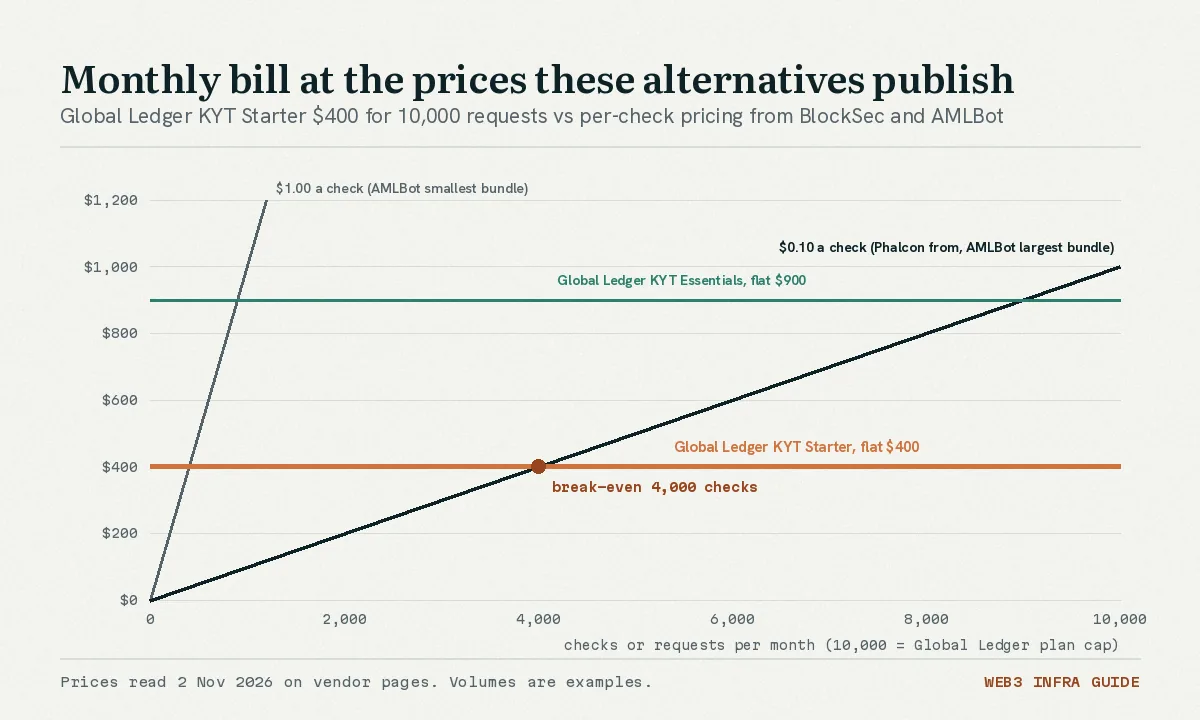
At $0.10 a check, Global Ledger’s $400 Starter plan breaks even at 4,000 checks a month and is cheaper above that, up to its 10,000-request cap, where it works out to $0.04 a check. Essentials at $900 only beats $0.10 a check above 9,000 checks, so you pay for it for the monitoring and API, not the unit price. One Elliptic Tier 1 unit costs $50,000 a year, the same as 500,000 checks at $0.10.
Use this formula with your own volume to compare a flat plan with a per-check price:
def monthly_cost(checks, flat_fee=None, cap=None, per_check=None):
    if flat_fee is not None:
        if cap is not None and checks > cap:
            return None          # over the plan cap: needs the next tier
        return flat_fee
    return checks * per_check

for n in (2_000, 4_000, 10_000):
    print(n, monthly_cost(n, flat_fee=400, cap=10_000), monthly_cost(n, per_check=0.10))
# 2000 400 200.0 | 4000 400 400.0 | 10000 400 1000.0
The cap matters: above 10,000 requests a month Global Ledger moves you to custom pricing, so model the next tier before you commit.
Verdict: Below about 4,000 checks a month, pay per check. Between 4,000 and 10,000, Global Ledger Starter is cheapest if it covers your chains. Above that, every option becomes a quote.
Free Tools for Investigations
If you are leaving Reactor for budget reasons, free tracing tools can cover spot checks but not a documented control. Practitioners on r/AMLCompliance in 2026 name Breadcrumbs, Arkham and MetaSleuth as the usual low-cost tracing options. None of them replaces KYT monitoring or an examiner-ready case file.
- MetaSleuth: BlockSec’s tracer, listing 13 chains on its home page, with a separate address labels and risk score API.
- Breadcrumbs and Arkham: named in the r/AMLCompliance thread for wallet tracing; treat their labels as leads to verify.
- Scorechain free sanctions API: sanctions checks only, 100 requests an hour, non-commercial.
- Block explorers: the ground truth for any single transaction, but slow for multi-hop work.
How to Switch Without a Gap
Never cut over in one step. Run the new vendor in shadow mode on the same live traffic as Chainalysis for at least one full alert cycle, then compare alerts, false positives and missed hits before you switch. The steps below keep your screening control documented the whole time.
- Export the last 90 days of Chainalysis alerts and decisions, plus your open cases.
- Send the new vendor your chain and token list and get a yes or no per chain at the depth you need.
- Replay 50 past deposits and your ten hardest Reactor cases on the new tool.
- Run both vendors in parallel on live traffic and log every disagreement.
- Retune thresholds, update your written procedures and tell your bank partners or regulator if your policy names the vendor.
- Cut over, keep the old exports for your record-keeping period, and remove any oracle calls from code.
| Check | Pass if | Why it matters |
|---|---|---|
| Chain match | Every chain you support gets full attribution | A missing chain is a blind spot in your control |
| Alert overlap | Most Chainalysis high-risk alerts also fire on the new tool | Shows the new data sees the same exposure |
| False positives | Analyst hours per 1,000 transfers stay flat or fall | Cheaper licence can cost more in staff time |
| Sanctions speed | New designations flag within the vendor’s stated window | Sanctions misses carry the highest penalties |
| Evidence export | Every alert and decision exports with reasons | Examiners ask why a transfer passed |
Verdict: A vendor that cannot match your Chainalysis alerts on your own past data is not ready to replace it, however good the price.
Which Alternative Fits Your Business
Match the alternative to what you are leaving and who checks your work. Many regulated firms keep one top-tier engine and add a published-price tool for second opinions, rather than dropping enterprise analytics entirely. Treasury teams can compare wallet and payout tools in our crypto treasury management guide, and the wider compliance stack is in our crypto compliance tools guide.
| Business | Replace Chainalysis with | Add | Why |
|---|---|---|---|
| Licensed exchange or broker | TRM Labs or Elliptic | Crystal for long-tail chains | Full KYT and investigations swap with audited security |
| Custodian or bank | Elliptic | TRM Labs | Published AWS price, SOC 2 Type 2, ISO 27001 and VASP due diligence |
| EU CASP on major chains | Scorechain or Crystal | Elliptic | EU hosting or residency stated by the vendor |
| Payment company or wallet | Global Ledger or BlockSec Phalcon | AMLBot | Published prices and API screening in the payment path |
| Developer using the oracle | Scorechain free API (testing) | A paid screening API | The Chainalysis oracle gets no new addresses |
Verdict: Licensed firms should swap to TRM Labs or Elliptic. Everyone else can save with Global Ledger, Phalcon or AMLBot, as long as the chain list matches.
Final Verdict
TRM Labs and Elliptic are the two alternatives that can replace Chainalysis KYT and Reactor at a licensed firm, and Crystal Intelligence is the one to test when chain coverage is the reason you are leaving. For screening only, Global Ledger, BlockSec Phalcon and AMLBot publish prices that make the switch easy to budget.
- TRM Labs (8.9): closest like-for-like swap across screening, monitoring and Forensics.
- Elliptic (8.7): public AWS list price and VASP due diligence.
- Crystal Intelligence (8.4): widest stated chain coverage with EU residency.
- Global Ledger (6.6): cheapest flat monthly KYT plan for small volumes.
Verdict: Replace the Chainalysis job, not the brand: TRM Labs or Elliptic for full swaps, Global Ledger or Phalcon for screening, and Scorechain for the dead oracle.
Frequently Asked Questions
What is the best alternative to Chainalysis?
TRM Labs scores highest among the alternatives at 8.9 out of 10. It covers wallet screening on 184+ blockchains, transaction monitoring and Forensics investigations on 65+ blockchains, with an annual SOC 2 audit. Elliptic is close at 8.7 and is the only top-tier vendor with a public list price, on AWS Marketplace.
Is there a free alternative to Chainalysis?
Not for full compliance. Scorechain offers a free sanctions API for non-commercial use at 100 requests an hour, which can replace the deprecated Chainalysis oracle in testing. For tracing, practitioners name Breadcrumbs, Arkham and MetaSleuth. None of these replaces paid KYT monitoring or an examiner-ready case record.
What is the cheapest Chainalysis alternative?
Of the tools with published prices, BlockSec Phalcon starts from $0.10 a check and AMLBot credits run from $1 down to $0.10. Global Ledger sells KYT Starter at $400 a month for 10,000 requests, which works out to $0.04 a check at full use and beats $0.10 above 4,000 checks.
Is the Chainalysis sanctions oracle still available?
The contract may remain queryable on-chain, but Chainalysis marks the oracle deprecated and says it will not add new sanctioned addresses. Its documentation says the last update was made on 18 March 2026 and directs users to Address Screening. Any code that relies on the oracle needs a supported screening source.
How much does Elliptic cost compared with Chainalysis?
Chainalysis publishes no price. Elliptic lists its wallet and transaction screening product on AWS Marketplace at $50,000 per unit a year on Tier 1 and $100,000 per unit on Tier 2, with units set by your screening volume. Ask Elliptic how many units your volume needs before you compare quotes.
How long does it take to switch from Chainalysis?
Plan for at least one full alert cycle of parallel running, plus the time to replay past cases and retune thresholds. Export your Chainalysis alerts and decisions first, check chain coverage per chain, and update written procedures before cutting over. Vendors do not publish standard migration timelines, so ask each one.